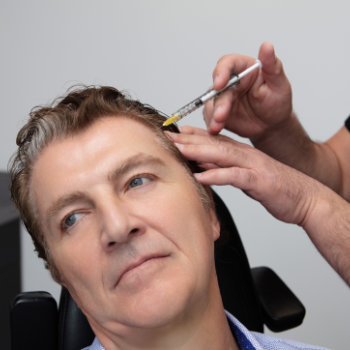
Botox for temporomandibular joint (TMJ) disorders is a therapeutic — not cosmetic — application of botulinum toxin used to relax the overactive masseter and temporalis muscles that drive jaw clenching, teeth grinding (bruxism), facial pain, and the chronic tension headaches that accompany TMJ dysfunction. The treatment works by temporarily reducing muscle hyperactivity, which breaks the cycle of clenching that strains the joint and surrounding tissues, allowing the jaw musculature to rest and the joint inflammation to subside. For patients who have not found relief with night guards, physical therapy, or oral medications — and who are not yet candidates for surgical intervention — Botox often becomes the most effective conservative option available, with relief typically beginning within a week of treatment and lasting three to four months per session.
Dr. David Salehani is a board-certified oral and maxillofacial surgeon whose dual training in dentistry and medicine provides the precise anatomical understanding required to inject Botox safely and effectively into the muscles of mastication. With a Doctor of Dental Surgery earned with honors from State University of New York at Stony Brook and a Doctor of Medicine from Stony Brook School of Medicine, followed by a full oral and maxillofacial surgery residency at Long Island Jewish Medical Center and a general surgery internship at Stony Brook University Hospital, Dr. Salehani brings the same anatomical precision to therapeutic Botox injections that he brings to surgical TMJ disorder treatment. He serves as faculty at UCLA Medical Center, has held a seat on the peer review board of the Los Angeles Dental Society for over seven years, and is past president of the Beverly Hills Academy of Dentistry — credentials that allow him to evaluate whether a patient’s TMJ symptoms are best addressed with Botox alone, a conservative oral appliance, or whether surgical intervention is warranted.
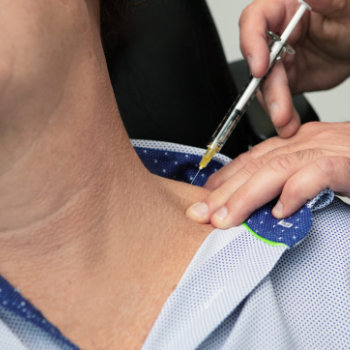
TMJ Botox West Hollywood
Are You Having Problems With Your Jaw?
You may be wondering why a cosmetic treatment would help your Temporomandibular Joint Disorder . If we take a look at what TMJ is, we’ll have a better idea of why it makes sense to seek relief from Botox. TMJ is a condition of the temporomandibular joint (part of your jaw), which your face uses as a hinge every time you are talking, singing, chewing, or yawning. Because of these everyday procedures, over-working this joint can often lead to stress of the muscles surrounding this joint. They can tense up around the mouth area and cause face soreness, headaches, clicking sounds when you open or close your jaw, and pain and ringing in the ears, neck, and cheek area. Over time, this can lead to undue stress on the TMJ joint if it is left untreated.
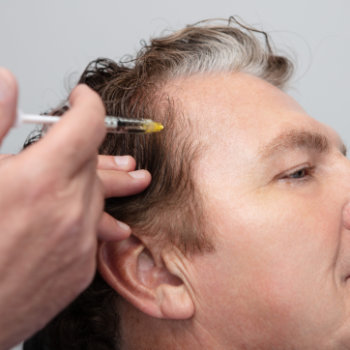
Treatment and Results of TMJ Botox
Instead of trying to keep your mouth closed for an extended period of time, Botox offers a more realistic solution to relax the muscles around your jaw. With one session, Botox treatments have been shown to reduce the pain associated with TMJ for up to three months. You’ll begin to experience the benefits of TMJ relief, such as better sleep, less face soreness, and your headaches associated with TMJ will begin to fade. You’ll notice that your muscles are now more relaxed and you can relax about your TMJ symptoms as well.
Frequently Asked Questions About TMJ Botox
How does Botox treat TMJ disorders?
Botox is injected into the masseter and temporalis muscles to temporarily reduce their hyperactivity — by limiting the strength of clenching and grinding, the treatment relieves pressure on the temporomandibular joint, decreases jaw pain, reduces tension headaches, and gives the joint and surrounding tissues time to recover.
When will I feel relief?
Most patients begin to notice symptom relief within three to seven days of injection, with peak effect at two weeks — relief from jaw pain, headaches, and morning soreness from nighttime grinding typically lasts three to four months before a follow-up treatment is needed.
How many units of Botox are needed?
Therapeutic TMJ dosing is significantly higher than cosmetic Botox dosing — most patients require 25 to 50 units per side into the masseter, with additional units for the temporalis when indicated, with the exact dose individualized to each patient’s muscle size and symptom severity.
Will Botox change the shape of my face?
When used in higher therapeutic doses for TMJ, Botox can gradually slim a heavily muscled jawline by reducing masseter bulk over several months — many patients consider this a welcome cosmetic side effect of the therapeutic treatment, while others request lower dosing if facial slimming is not desired.
Is TMJ Botox covered by insurance?
Coverage varies — TMJ Botox is considered off-label by the FDA and is generally not covered by most insurance plans, though some patients may be able to apply HSA or FSA funds toward treatment, and the practice’s billing team can help verify benefits before treatment.
When is surgery indicated instead of Botox?
Botox is most effective for muscle-driven TMJ pain and bruxism — patients with structural joint pathology such as severe disc displacement, advanced arthritis, or significant joint damage may require surgical TMJ intervention, which Dr. Salehani will discuss honestly during consultation if conservative measures are not the right fit.
Schedule Your TMJ Botox Session
Botox treatment for TMJ is very simple. Our medical professionals will consult with you about your desired results, take into account your medical history, and customize a Botox regimen for you. Over the course of a few sessions, your muscles around the TMJ area (e.g. jaw, forehead, cheeks) will be injected with Botox to provide the TMJ relief, and you can usually return to your normal routine right away. We recommend a cold pack after treatment to reduce any swelling, and be careful not to rub your face after the treatment for about a day. Over the next few days, the effects will be noticeable, and about after a week you will start to experience the relief of your TMJ disorder. For the next 3 months or so, you will keep these effects. When you start to feel the effects wear away at about the end of this time frame, give us a call to schedule another Botox session.
To learn more about cosmetic procedures, schedule an appointment at Oral & Maxillofacial Surgery or call the office at (310) 275-3635 to speak with a member of the administrative staff today!