Facial implants are custom-shaped, biocompatible devices placed over the underlying bone to restore lost volume, correct skeletal asymmetry, or build the structural foundation that determines how the entire face presents. Unlike injectable fillers — which are absorbed by the body and require repeated maintenance treatments — implants offer a permanent, anatomically stable solution for patients who want lasting facial balance rather than temporary volume. The most commonly placed implants are designed for the chin, jaw angles, cheeks, and temporal regions, with each implant selected or custom-designed to match the patient’s existing skeletal anatomy. The success of any facial implant procedure depends almost entirely on how well the surgeon understands the underlying bony architecture, soft-tissue envelope, and the long-term relationship between the implant and the surrounding tissue — making surgeon selection one of the most consequential decisions a patient can make.
Dr. David Salehani is a board-certified oral and maxillofacial surgeon whose dual training in dentistry and medicine provides a uniquely complete understanding of facial skeletal anatomy — the bony foundation that every facial implant is designed to augment. With a Doctor of Dental Surgery earned with honors from State University of New York at Stony Brook and a Doctor of Medicine from Stony Brook School of Medicine, followed by a full oral and maxillofacial surgery residency at Long Island Jewish Medical Center and a general surgery internship at Stony Brook University Hospital, Dr. Salehani brings the same anatomical precision to implant placement that he brings to orthognathic jaw surgery and facial trauma reconstruction. He serves as faculty at UCLA Medical Center, has held a seat on the peer review board of the Los Angeles Dental Society for over seven years, and is past president of the Beverly Hills Academy of Dentistry — credentials that allow him to evaluate whether a patient is best served by a custom Implantech silicone implant, a 3D-printed Accuscan Patient-Specific® device based on the patient’s own CT scan, a genioplasty bony advancement, or a non-surgical alternative.

Types of Facial Implants
Dr. Salehani uses silicone implants (Implantech) to shape or augment facial and jaw lines when fillers are not indicated or used. The types include:
- Chin implants
- Cheek implants
- Temporal implants
- Mandible (jawline) implants
The type of silicone used, and techniques are different for bony implant procedures versus soft tissue implants (temporal). Dr. Salehani uses highly customizable implants that can be designed to create natural and beautiful results for his patients.

Causes of Facial Volume Loss
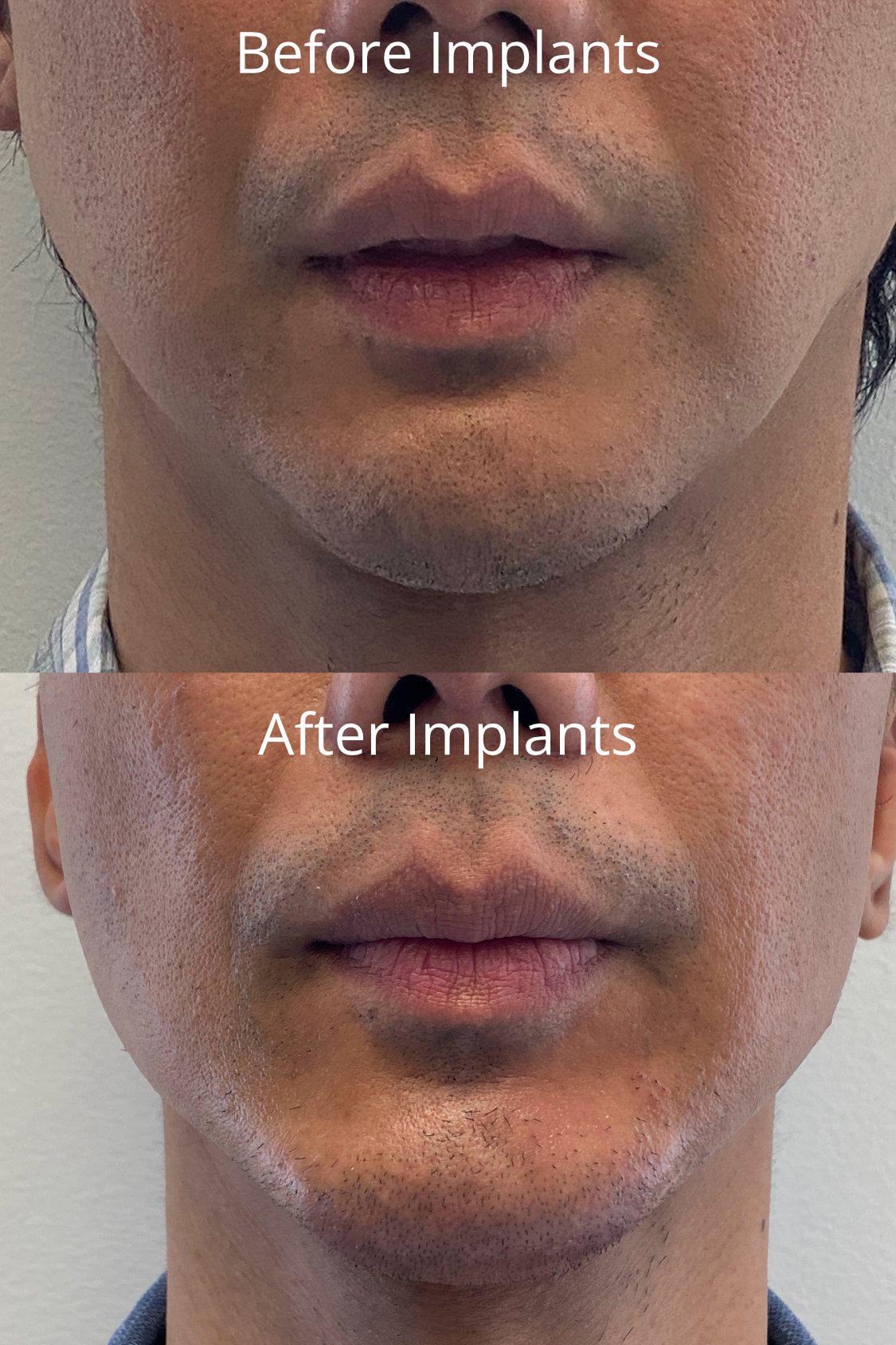
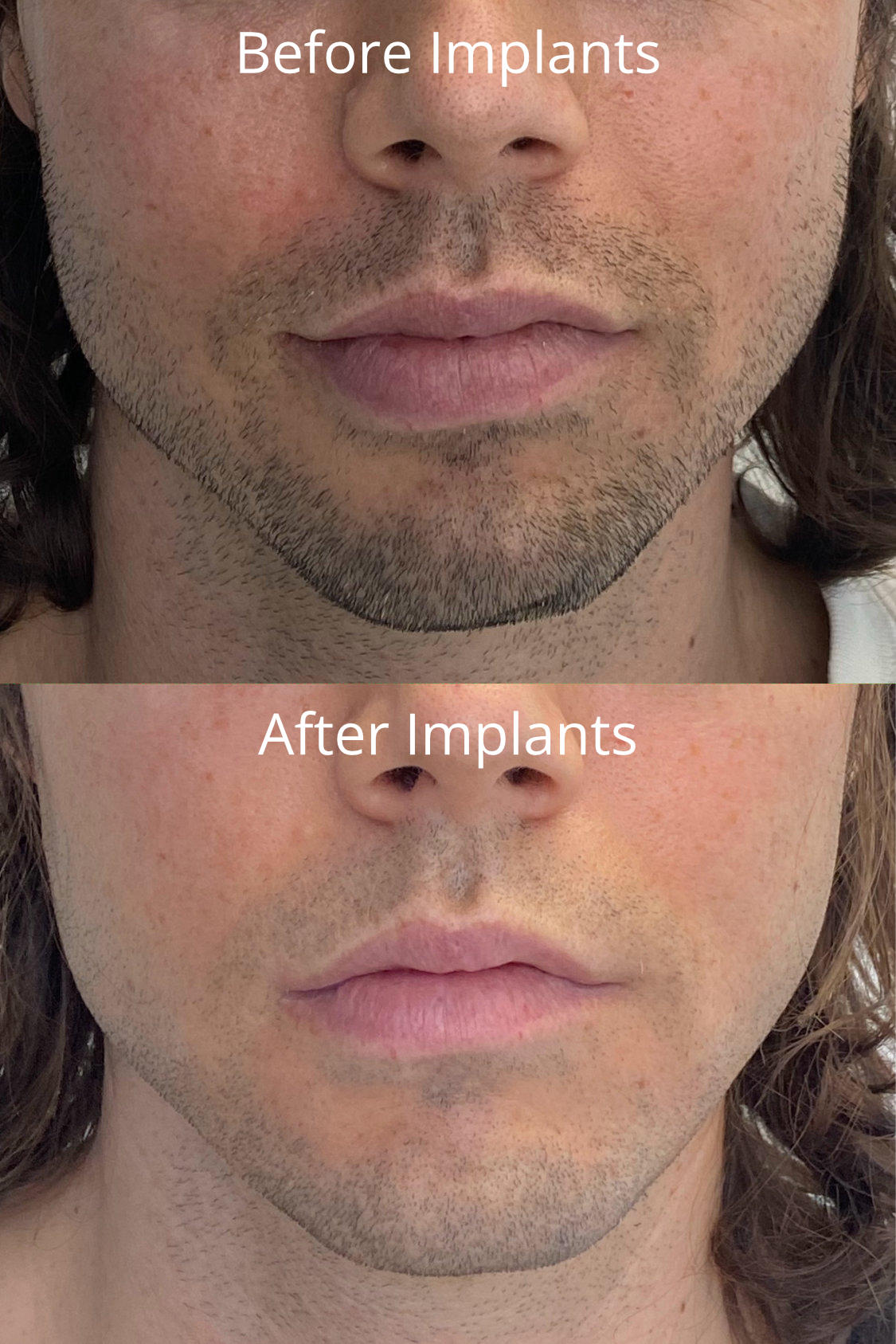
Facial volume loss is accompanied by the loss of blood vessels, fat layers and collagen causing the skin to sink in from the lack of these natural supports. Causes of facial volume loss include heredity, the normal aging process, previous surgeries, excessive weight loss and HIV medication lipoatrophy (fat loss).

Facial Volume Treatment West Hollywood
Treatments for increasing facial volume or changing the shape of facial features can include injectables and cosmetic surgery. Some of the facial contouring and reshaping treatments we offer at Sunset Oral Surgery include:
- Fillers (injectables)
- Fat transfer
- Implants
Augmentation with injectables is an effective method, but repeated treatments are often needed for maintenance which could be costly. Fat transfer can also be unpredictable and repeated treatments may be necessary. Facial implants offer a customizable, permanent solution to replace lost facial volume or for reshaping features like the chin and jaw. The Temporal Shell implant is a permanent solution for temporal hollowing.

Benefits of Temporal Shell Facial Implants
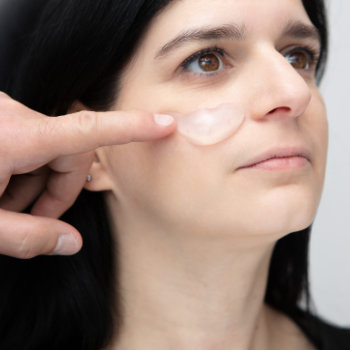
Made of ultrasoft, pliable silicone, temporal shell facial implants are designed to augment the hollowed areas of excessively concave or sunken temples. The temporal soft-tissue implant shape matches the typical skeletal borders of the temporal region and is shaped for ideal blending with no palpable margins. Some of the benefits of the temporal implant include
- Permanent solution for temporal hollowing
- Very soft silicone for flexibility
- Provides predictable volume and symmetry
- Mimics soft tissue, unlike bony augmentation
- Tapered edges for no palpable margins
- Outpatient procedure with intravenous sedation
Frequently Asked Questions About Facial Implants
What areas of the face can be augmented with implants?
The most commonly placed implants address the chin, jaw angles (mandibular angle), cheeks (malar and submalar), and temporal hollowing — each implant is designed to integrate with the underlying bone or soft-tissue layer specific to that region.
How are facial implants different from dermal fillers?
Facial implants are permanent, anatomically stable structures designed to augment underlying bone and soft tissue, while fillers like Juvederm are temporary gels that gradually absorb and require repeated treatments — implants offer a one-time solution for patients who want long-term structural change rather than ongoing maintenance.
What are the implants made of?
Dr. Salehani uses Implantech silicone implants, which are biocompatible, soft, and designed for stable long-term placement against bone or within soft-tissue compartments such as the temple — for patients with significant skeletal asymmetry, custom 3D Accuscan Patient-Specific® implants are designed from the patient’s own CT scan for an exact anatomical fit.
Is the procedure performed under general anesthesia?
Most facial implant procedures are performed under IV sedation or general anesthesia depending on the complexity, the number of implants placed, and patient preference — all anesthesia is administered to hospital operating room standards in our accredited West Hollywood facility.
What is the recovery like after facial implant placement?
Most patients experience swelling and bruising for one to two weeks, return to non-strenuous work within seven to ten days, and reach the majority of their final result by four to six weeks as residual swelling resolves — the implant becomes stably integrated within the surrounding tissue over the months that follow.
Can facial implants be combined with other procedures?
Yes — facial implants are commonly combined with orthognathic jaw surgery, genioplasty, FaceTite, or injectable refinements such as Botox and Juvederm to address both the skeletal foundation and the overlying soft tissue in a single coordinated treatment plan.

Accurate Fit for Chin, Cheek or Jaw Implants
In certain cases, for augmentation or treatment of bone deformities, a jaw or facial CT scan is obtained to form the implant for an accurate fit. 3D Accuscan Patient-Specific® implants (Implantech company) result in an exact fit. This powerful technology faithfully reproduces a precise, three-dimensional skeletal model from the patient’s CT scan, including the bony defect requiring reconstruction.
To learn more about cosmetic procedures, schedule an appointment at Sunset Oral and Facial Surgery in West Hollywood or call the office at (310) 275-3635 to speak with a member of the administrative staff today