Orthognathic surgery — also called corrective jaw surgery — is the surgical correction of skeletal irregularities of the upper jaw (maxilla), lower jaw (mandible), or both, addressing problems that orthodontics and dental treatment alone cannot fix. The procedure is recommended when a patient’s jaw misalignment is causing functional difficulties such as a severe overbite, underbite, open bite, or crossbite; chronic jaw pain or TMJ dysfunction; difficulty chewing, biting, or speaking; obstructive sleep apnea linked to jaw position; or facial asymmetry that cannot be camouflaged with orthodontics. Because orthognathic surgery permanently changes the bony foundation of the face — and because the result determines how a patient bites, breathes, and presents to the world for the rest of their life — surgeon selection matters more here than in nearly any other elective procedure in oral and maxillofacial surgery.

Elite Corrective Jaw Surgeon
Dr. David Salehani is a board-certified oral and maxillofacial surgeon whose dual training in dentistry and medicine provides the depth of expertise required for complex jaw reconstruction. With a Doctor of Dental Surgery earned with honors from State University of New York at Stony Brook and a Doctor of Medicine from Stony Brook School of Medicine, followed by a full oral and maxillofacial surgery residency at Long Island Jewish Medical Center and a general surgery internship at Stony Brook University Hospital, Dr. Salehani performs orthognathic procedures using Virtual Surgical Planning (VSP) — 3D digital planning technology that allows the entire surgery to be designed and rehearsed before the patient ever enters the operating room, with custom surgical guides fabricated to execute the plan precisely. He serves as faculty at UCLA Medical Center, has held a seat on the peer review board of the Los Angeles Dental Society for over seven years, and is past president of the Beverly Hills Academy of Dentistry — credentials that reflect the level of training rarely concentrated in a single-surgeon West Hollywood practice.

Understanding Orthognathic Surgery
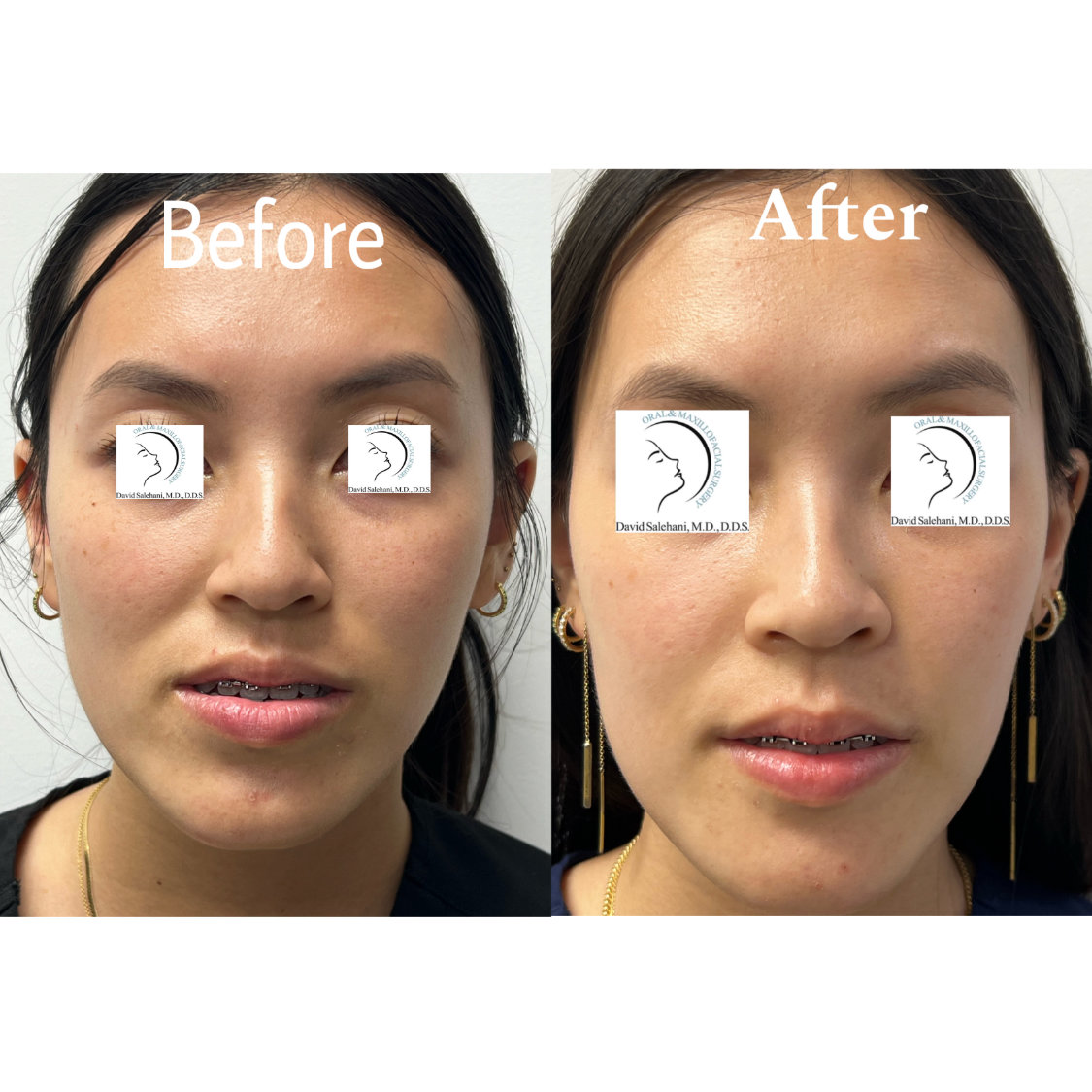
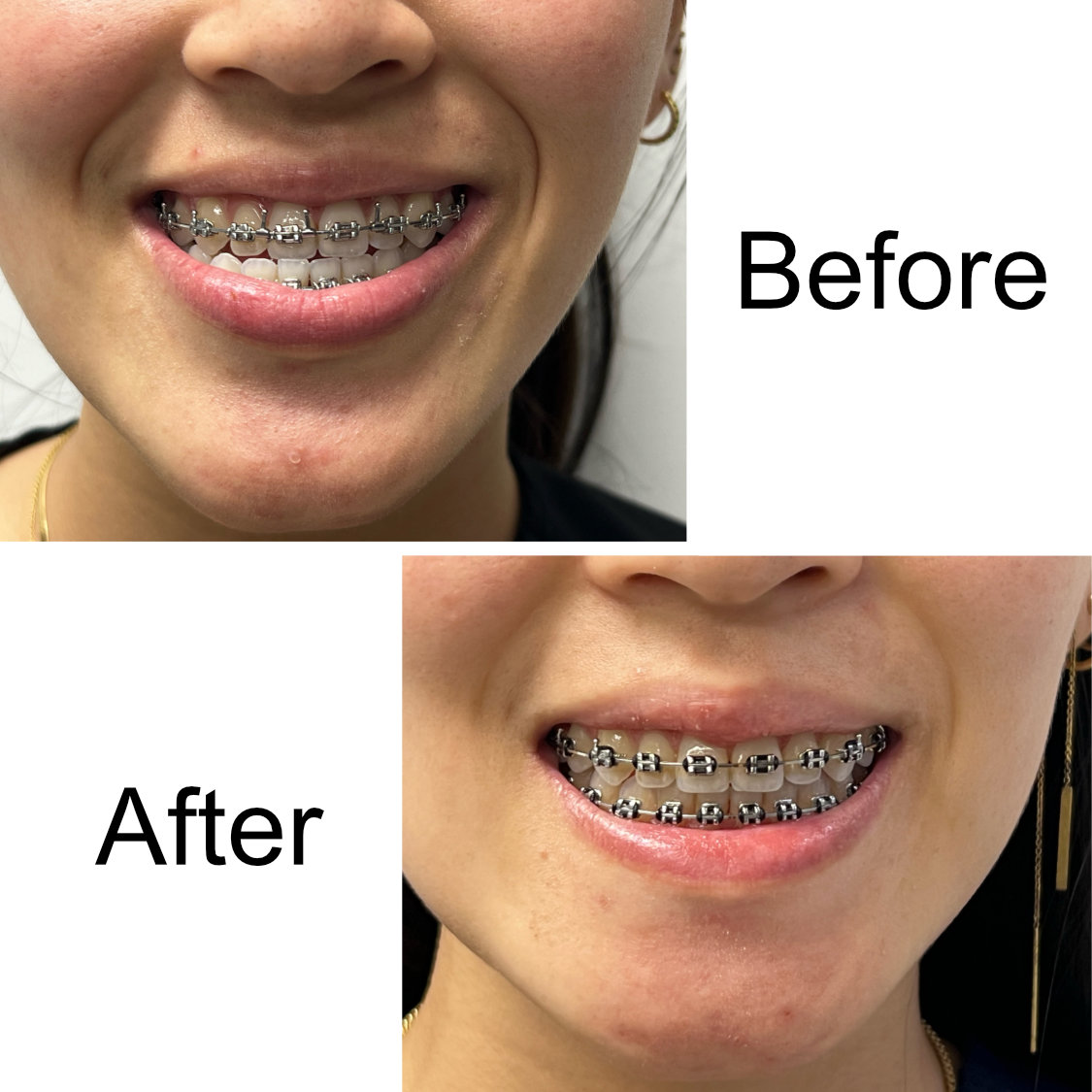
The process for corrective jaw surgery begins with a comprehensive evaluation, including imaging studies like X-rays, CT scans and 3D models. This aids in assessing the extent of the jaw discrepancy and formulating a precise surgical plan. Dr. Salehani will evaluate the results and determine whether corrective surgery is needed. Orthognathic surgery is typically recommended to correct a range of conditions, such as misaligned jaws (overbite, underbite), facial asymmetry, difficulty chewing or biting, chronic jaw pain and obstructive sleep apnea due to jaw structure.

The surgery is conducted under general anesthesia and involves carefully repositioning the jaw bones. Incisions are made inside the mouth to access the jawbones, minimizing visible scarring. Dr. Salehani adjusts the bone position, securing them in the new alignment using specialized plates and screws.
Post-surgery, patients may experience swelling, mild discomfort and a liquid or soft diet for a few weeks. Complete recovery may take several months as the bones heal and adjust to their new positions.

Benefits of Orthognathic Surgery
Correcting jaw irregularities improves facial symmetry and proportions, enhancing overall facial aesthetics. Some of the other benefits include:
- Improved Bite and Function: Properly aligned jaws significantly improve biting, chewing, speaking and overall jaw function, reducing strain and discomfort.
- Resolution of Breathing Issues: For cases related to obstructive sleep apnea or breathing difficulties caused by jaw structure, orthognathic surgery can alleviate these problems.
- Enhanced Oral Health: Properly aligned jaws can contribute to better oral hygiene, reducing the risk of issues such as tooth decay and gum disease.
- Long-Term Results: Orthognathic surgery provides lasting results, often eliminating the need for further corrective measures.
Frequently Asked Questions About Orthognathic Surgery
Who is a candidate for orthognathic surgery?
Adults with a significant overbite, underbite, open bite, crossbite, facial asymmetry, chronic jaw pain, difficulty chewing or speaking, or obstructive sleep apnea linked to jaw structure are typical candidates — most patients have already worked with an orthodontist who has determined that braces alone cannot correct the underlying skeletal discrepancy.
Will I need braces before and after surgery?
Yes — orthognathic surgery is almost always performed in coordination with an orthodontist, with braces or clear aligners worn before surgery to align the teeth within each jaw and continued after surgery to fine-tune the final bite, with total combined treatment typically taking 18 to 24 months.
What is Virtual Surgical Planning?
Virtual Surgical Planning (VSP) uses a 3D scan of the patient’s skull and jaws to digitally simulate the exact movement of each jaw segment before surgery, with custom surgical splints and cutting guides fabricated to execute the plan precisely in the operating room — the result is shorter operating time, lower surgical cost, and significantly more predictable outcomes than freehand techniques.
Where are the incisions made?
All incisions for orthognathic surgery are made inside the mouth, leaving no external scars on the face — the bone is accessed, repositioned, and secured with small titanium plates and screws that remain in place permanently and are not visible or palpable.
What is the recovery like?
The first one to two weeks involve significant swelling, a soft or liquid diet, and limited jaw motion — most patients return to school or non-strenuous work at three to four weeks, with the bone fully healed by six to eight weeks and final bite refinement completed during the post-surgical orthodontic phase.
Can orthognathic surgery treat sleep apnea?
Yes — maxillomandibular advancement (MMA), a type of orthognathic procedure that moves both jaws forward, is one of the most effective surgical treatments for moderate to severe obstructive sleep apnea, opening the airway by repositioning the structures that block it during sleep.

Schedule Your Orthognathic Surgery Consultation in West Hollywood
Orthognathic surgery represents a transformative solution, not only addressing functional concerns but also significantly improving facial aesthetics, ultimately enhancing the overall quality of life for our patients. If you want to learn more about corrective jaw surgery, contact our office in West Hollywood to schedule a consultation with Dr. David Salehani.